
news
What Is the 10/20/30/40 Rule When Making Concrete?
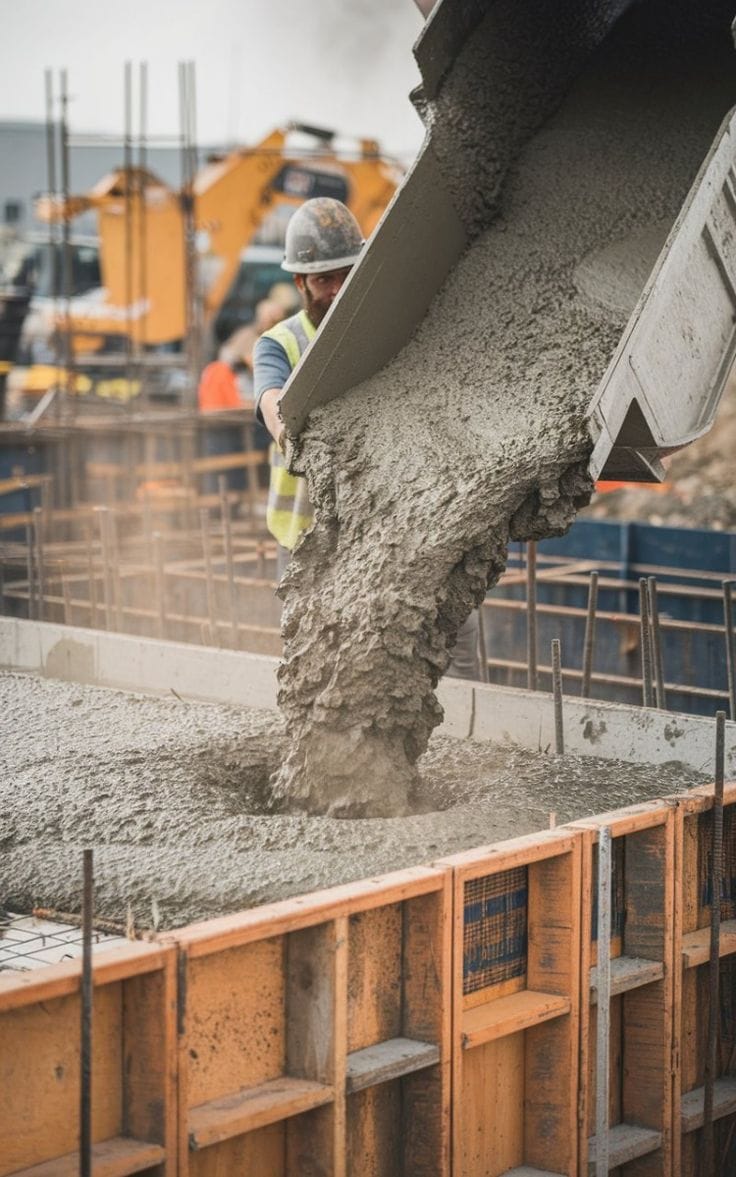
Concrete is one of the most important materials used in construction. It forms the structural backbone of buildings, roads, bridges, and foundations.
However, the strength and durability of concrete depend heavily on the correct mixture of materials. If the proportions are wrong, the structure may become weak or prone to cracking.
One simple method some builders use to understand material proportions is known as the 10/20/30/40 rule in concrete mixing.
This rule provides a simplified way to understand how different materials combine to create a balanced concrete mixture.
Professional construction companies such as Casa Experts Ltd apply proper mix ratios and engineering standards during construction projects to ensure buildings remain strong and durable.
[caption id="attachment_2576" align="alignnone" width="308"] Concrete[/caption]
What the 10/20/30/40 Rule Means
The 10/20/30/40 rule refers to the approximate proportion of materials used when mixing concrete.
It represents:
- 10% Cement
- 20% Water
- 30% Sand
- 40% Gravel (or stone aggregates)
These proportions help create a balanced mixture that provides strength, durability, and good workability during construction.
The rule is often used as a basic guideline for understanding how different materials contribute to the overall structure of concrete.
For more technical structural planning and concrete design, property developers often rely on professional civil engineering services from Casa Experts Ltd to ensure the correct mix design is applied.
[caption id="attachment_2574" align="alignnone" width="251"] Sand and Gravels[/caption]
Why Concrete Mix Ratios Matter in Construction
Concrete mix ratios are extremely important because they directly affect the strength of a structure.
Improper concrete mixing can cause several serious construction problems.
Weak Structural Strength
If there is too little cement in the mixture, the concrete may not bond properly.
Cracks in Walls and Floors
Incorrect water ratios can lead to shrinkage cracks after the concrete dries.
Foundation Failure
Weak concrete foundations may fail under the weight of the building.
Structural Collapse
Poor concrete quality can compromise the safety of the entire building.
To avoid these risks, construction professionals use engineering calculations and proper supervision during the mixing and placement of concrete.
The experienced engineers at Casa Experts Ltd ensure proper concrete standards are followed during construction through their Civil Engineering Services and Construction Services.
Standard Concrete Mix Used in Ghana
While the 10/20/30/40 rule helps explain material proportions in simple terms, most professional builders in Ghana commonly use the 1 : 2 : 4 concrete mix ratio.
This means:
- 1 part cement
- 2 parts sand
- 4 parts stone aggregates
This ratio is widely used for structural elements such as:
- Foundations
- Columns
- Beams
- Concrete slabs
Using the correct mix ensures the concrete develops sufficient compressive strength after curing.
Professional supervision through construction services provided by Casa Experts Ltd ensures proper material measurement and mixing during building projects.
[caption id="attachment_2575" align="alignnone" width="327"] Sand and Cement Mixture[/caption]
Materials Used When Making Concrete
Concrete is made from a combination of several essential materials.
Cement
Cement acts as the binding agent that holds the concrete mixture together.
Sand
Sand fills the spaces between aggregates and helps create a smooth mixture.
Gravel or Stone Aggregates
Aggregates provide the bulk and strength of concrete.
Water
Water activates the chemical reaction that allows cement to harden and bind materials together.
Accurate measurement of these materials is critical for producing strong concrete.
Developers often consult experts through Project Consultation & Estimation services from Casa Experts Ltd to determine the exact quantities needed for their building projects.
Tips for Producing Strong Concrete
To achieve strong and durable concrete during construction, builders should follow these best practices.
Use Clean Materials
Sand and aggregates should be free from dirt, clay, and organic materials.
Measure Materials Accurately
Incorrect proportions can weaken the final concrete structure.
Mix Concrete Thoroughly
Proper mixing ensures cement coats all aggregates evenly.
Avoid Excess Water
Too much water reduces concrete strength and increases cracking.
Allow Proper Curing Time
Concrete should be cured for at least 7–28 days to reach maximum strength.
Professional supervision from Casa Experts Ltd helps ensure that all these standards are followed during construction projects.
Conclusion
The 10/20/30/40 rule provides a simple way to understand the approximate proportions used when mixing concrete.
While it serves as a basic guideline, professional construction projects rely on more precise engineering calculations to ensure the correct concrete strength.
Proper concrete mixing is essential for building strong foundations, durable structures, and safe homes.
Working with experienced construction professionals such as Casa Experts Ltd ensures that proper concrete ratios, engineering standards, and quality materials are used throughout the building process.
Frequently Asked Questions (FAQs)
1. What is the 10/20/30/40 rule in concrete?
The 10/20/30/40 rule refers to approximate material proportions used in concrete mixing:
- 10% cement
- 20% water
- 30% sand
- 40% gravel
It provides a simplified understanding of how concrete ingredients are combined.
2. What is the most common concrete mix ratio in Ghana?
The most common concrete mix used in Ghana is 1:2:4, which means 1 part cement, 2 parts sand, and 4 parts stone aggregates.
3. Why is the correct concrete mix important?
Correct concrete mixing ensures structural strength, prevents cracks, and improves the durability of buildings.
4. How long does concrete take to become strong?
Concrete usually begins to harden within 24–48 hours, but it takes about 28 days to reach full strength.
5. Who should supervise concrete mixing during construction?
Concrete mixing should be supervised by experienced builders or engineers to ensure proper ratios and quality standards are followed.